February 23, 2026 | Jason Makuch
February 23, 2026
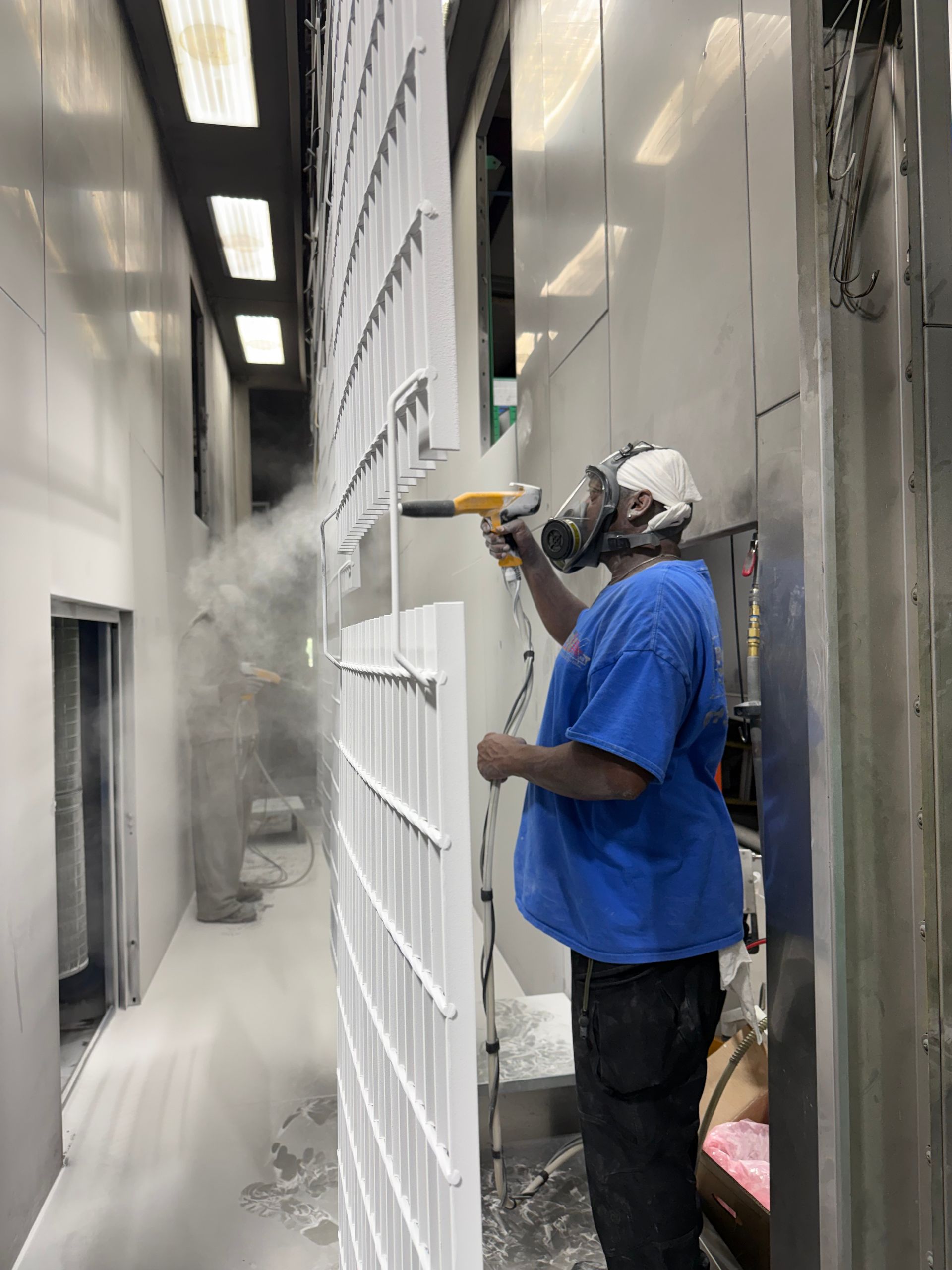
In the world of powder coating services, AAMA certifications play a crucial role in ensuring quality, durability, and compliance with industry standards. This article explores the importance of AAMA certifications and their impact on powder coating services. As we delve into the requirements and benefits associated with AAMA standards, it becomes apparent that these certifications are indispensable in today's competitive market. Powder coating, a dry finishing process, provides a tougher finish than traditional paint, and AAMA standards ensure its quality and performance. Manufacturers and consumers alike seek reassurance that the products they produce or buy meet the highest standards of quality and safety.
Understanding AAMA Certifications
Definition and Purpose
AAMA certifications are established by the American Architectural Manufacturers Association to regulate the quality and performance of building products, including those that are powder coated. These certifications are crucial in verifying that products meet stringent material and performance standards. AAMA certifications ensure that products are safe for use and will perform effectively within their designated environments. The purpose of these certifications is to protect both manufacturers and consumers by providing clear standards for product quality and durability. By adhering to these standards, manufacturers can market their products more effectively as being trustworthy and reliable.
The certifications cover various aspects of product performance, such as color retention, resistance to chalking, and adhesion under various environmental conditions. These certifications are divided into different classes, each representing a level of durability and performance expectations. By providing distinct categories, AAMA helps manufacturers select the appropriate standards for their specific product applications. In the competitive landscape of powder coating, AAMA certifications set the benchmark for achieving high product quality and consistency. They give consumers confidence in their purchasing decisions by ensuring a high level of product reliability and safety.
Compliance with AAMA standards typically requires detailed testing processes, including weathering performance evaluations conducted in accredited laboratories. Manufacturers that achieve AAMA certification have demonstrated through testing that their products meet or exceed the specified requirements. This process not only challenges manufacturers to innovate but also encourages continuous improvement within the industry. The certification process itself comprises several rigorous stages, ensuring thorough assessment before a product can carry the AAMA mark. Given its comprehensive nature, AAMA certification can be viewed as an endorsement of a product's long-term performance and reliability.
Types of AAMA Certifications
There are various types of AAMA certifications catering to different aspects and uses of powder-coated products. Each type pertains to specific performance or durability characteristics, essential for varying applications such as in construction or automotive industries. AAMA 2603 represents the basic standard with minimum durability for interior products where environmental conditions are not extreme. In contrast, AAMA 2604 and AAMA 2605 are associated with higher performance standards, suitable for exterior applications exposed to harsher environmental conditions. The higher certification types guarantee better color retention, resistance to fading, and enhanced protection against outdoor elements.
AAMA 2605, for example, is the highest standard and involves extensive weatherability testing, revealing product longevity in severe climates. Products with this certification are often used in architectural applications that require exceptional durability and color fastness. The distinctions between these certifications enable manufacturers and consumers to match product characteristics with specific needs and environments. By differentiating product types through AAMA standards, manufacturers can target various market segments, offering tailored solutions backed by certification. These specific certifications guide industry innovation by setting objectives that manufacturers must achieve to remain competitive.
The decision about which AAMA certification to pursue is influenced largely by the intended product application and expected environmental challenges. Manufacturers thus need to conduct initial assessments and research to align product development with suitable certification standards. By obtaining multiple certifications, companies can diversify their offerings and enter a broader range of market segments. With the automotive powder coating market, for example, expected to reach approximately $2.12 billion by 2033, adhering to appropriate certifications becomes a critical factor for companies seeking growth. Ultimately, AAMA certifications help establish a clear hierarchy of product quality and suitability across diverse applications.
Certification Process
The certification process for AAMA standards is comprehensive and involves multiple levels of testing and verification. Initially, manufacturers must submit product samples to accredited laboratories for analysis as part of the application. These labs evaluate products against pre-defined criteria, encompassing various performance indicators such as adhesion, resistance to weathering, and color retention. Each step in the certification process is designed to ensure that only products meeting the highest standards receive the AAMA seal. This rigorous process not only helps maintain quality across the industry but also inspires consumer trust in AAMA-certified products.
Beyond initial testing, the certification process includes ongoing evaluations to ensure continuous compliance. Regular audits and inspections of manufacturing facilities are conducted to confirm adherence to AAMA guidelines. Laboratories undertake precise measurements and are tasked with replicating environmental conditions to test durability and performance accurately. These persisting assessments are critical in maintaining the integrity of the certification standards over time. As such, the certification process can be seen as both a rigorous evaluation mechanism and a tool for promoting continual improvement and innovation within the powder coating industry.
Manufacturers looking to achieve AAMA certification must also commit to transparency and collaboration with third-party testing bodies. Open communication and willingness to adapt are crucial to successfully navigating the certification landscape. AAMA’s robust framework incorporates feedback loops, allowing manufacturers to address potential deficiencies and enhance product quality. Through the certification process, manufacturers not only ensure compliance with industry standards but also foster a culture of quality and excellence. Ultimately, AAMA certification acts as a catalyst for industry advancement by challenging manufacturers to meet evolving quality benchmarks.
Key Players Involved
The key players involved in AAMA certifications extend beyond product manufacturers to include testing laboratories, industry analysts, and certification bodies. Accredited testing facilities play a vital role in executing the rigorous evaluation process necessary for certification. These independent laboratories conduct objective assessments, ensuring impartiality and reliability in results. Manufacturers rely heavily on these facilities to provide credible testing environments that accurately replicate real-world conditions. This collaborative effort underscores the importance of maintaining high ethical standards and technical expertise throughout the certification landscape.
Certifying bodies such as the American Architectural Manufacturers Association play an oversight role, ensuring that the standards applied are consistent, relevant, and up-to-date. These organizations often work closely with industry leaders, scientists, and policymakers to refine existing standards and develop new ones. By responding to technological advances and market demands, certifying bodies help align certification criteria with industry progress. The involvement of diverse stakeholders ensures that certification standards remain robust, adaptive, and valuable to all industry players. In this environment, continual dialogue and cooperation are essential for achieving and maintaining certification excellence.
Manufacturers themselves are central participants in the certification process, tasked with adhering to the guidelines and rigorously preparing their products for testing. They must navigate complex compliance landscapes and align product development efforts with certification requirements. According to Market Size and Trends, the automotive powder coating market is expected to climb to approximately $2.12 billion by 2033. In doing so, manufacturers actively influence industry standards by demonstrating where innovation meets application needs effectively. Through proactive engagement, manufacturers contribute to a self-sustaining cycle of quality improvement and industry leadership. The symbiosis among certifying bodies, manufacturers, and testing facilities forms a robust foundation for the AAMA certification ecosystem. Be sure to reach out to PowderWorx615 today for more information on our professional AAMA certifications!