October 31, 2026 | Jason Makuch
October 31, 2026
This article explores the importance and benefits of industrial finishes, a crucial process that plays a vital role in protecting machinery. We will delve into how dry finishing works, its advantages, and its applications across different industries. Understanding these application processes not only helps recognize their significance but also showcases their essential role in modern manufacturing. From everyday products to high-tech machinery, protective finishes stand as a testament to innovation in material durability. As technology continues to advance, so do the application techniques, leading to a future where protection meets sustainability. Discover how local industrial powder coating delivers unmatched surface resilience for heavy equipment.
Understand Powder Coating Technology
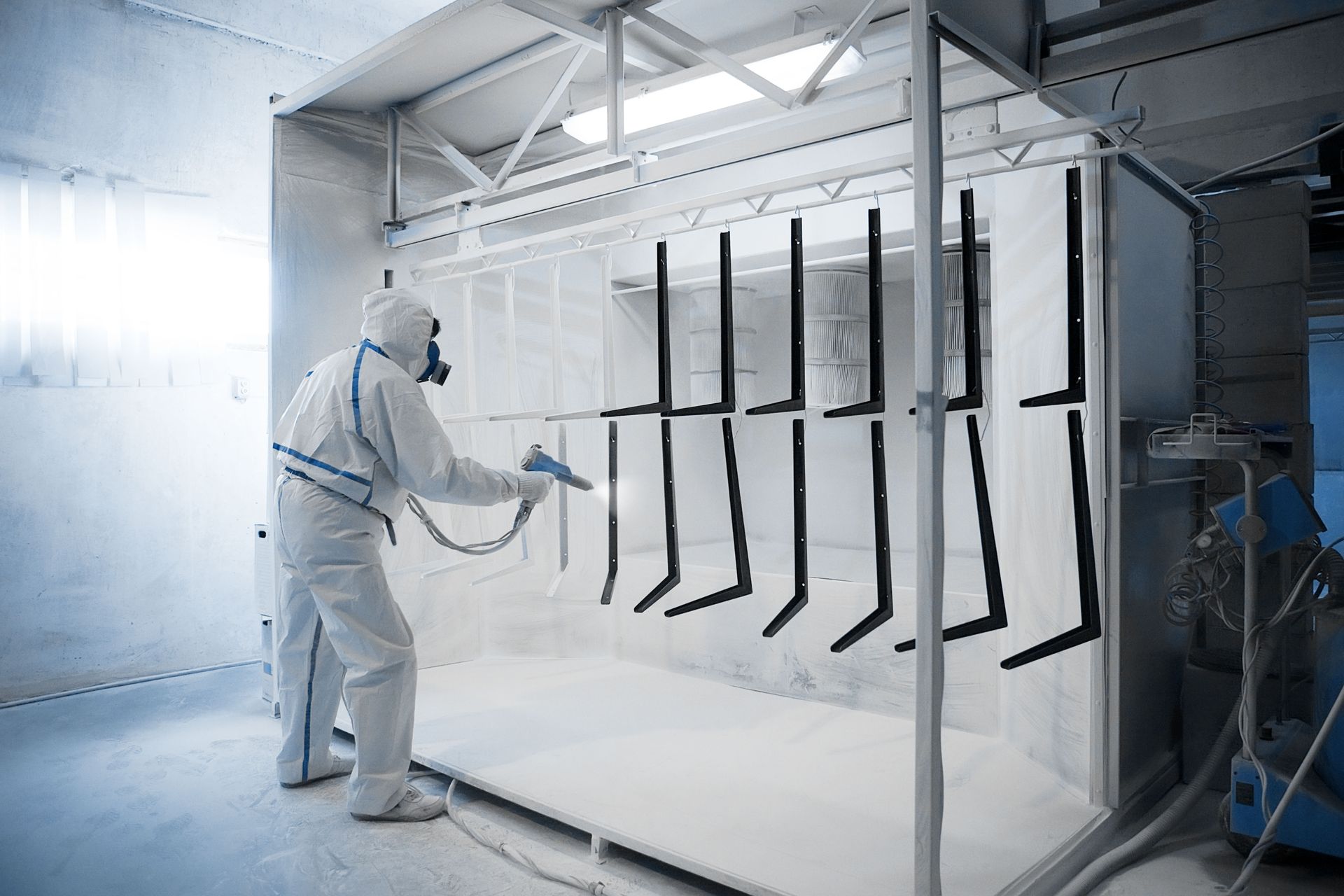
Local industrial powder coating is a dry finishing process that has become popular across the commercial sector. It involves applying a free-flowing powder to a surface, which is then cured under heat or ultraviolet light. Unlike traditional liquid paint, this process does not require a solvent to keep the binder and filler parts in a liquid suspension form. The material is applied electrostatically and cured to form a tough, durable skin. This technology is favored for its efficiency, cost-effectiveness, and long-lasting finish on various components.
Review Types of Powders
Two primary types of powders are used in local industrial powder coating: thermoset and thermoplastic. Thermoset powders require a curing process where the coating chemically reacts to form a different molecular structure, creating a harder finish. Conversely, thermoplastic powders do not undergo any chemical changes during curing; they melt and flow upon heating, hardening upon cooling. The choice between thermoset and thermoplastic depends on the intended application and the required properties of the final finish.
Examine Necessary Equipment
The application process involves several key pieces of equipment, including a spray gun that applies the material utilizing electrostatic charges. Additionally, an oven bakes the material onto the substrate to ensure a smooth, durable layer. According to MachineMfg, the powder coating process necessitates oven curing at elevated temperatures, typically between 325°F and 400°F. Such machinery is often complemented by pre-treatment systems designed to clean and prepare surfaces before coating application.
Explore Durability and Resistance
One of the most remarkable benefits of local industrial powder coating is its resistance to external factors. Once cured, the coating forms a hard, rugged layer over surfaces, protecting them from damage like scratches, chipping, and corrosion. This is critical in industries where machinery is exposed to harsh environments. These treated surfaces resist fading and a variety of chemicals, extending equipment lifespan and reducing the need for frequent repairs or replacements.
Consider Environmental and Safety Advantages
Local industrial powder coating is an environmentally friendly option for business operations. Unlike liquid finishes, these materials contain no solvents and release negligible amounts of volatile organic compounds into the atmosphere. This makes the process a safer choice for the environment and for workers handling the materials. Additionally, oversprayed powder can be recycled, minimizing waste and contributing to sustainable business practices.
Maximize Aesthetic Improvements
Beyond durability, local industrial powder coating offers significant aesthetic benefits. The application allows for a uniform layer without runs or drips, which can mar the appearance of liquid-painted surfaces. The technology provides a wide range of finish effects, from high gloss to matte, and textures that can be controlled to meet specific visual criteria. Custom colors and textures can be achieved, adding visual value to functional products.
Prepare Surfaces Correctly
Proper surface preparation is critical for success with local industrial powder coating. Before application, surfaces need to be meticulously cleaned of oils, dirt, and rust to ensure strong adhesion and prevent defects. Methods such as chemical cleaning, sanding, or sandblasting are commonly used to prepare a substrate. Failure to appropriately prepare surfaces can lead to adhesion issues, reducing protective qualities.
Choose Quality Materials
The quality of the material is another significant factor that affects the outcome of local industrial powder coating. Higher quality powders ensure better flow and consistency, leading to a smoother, more even surface layer. Impurities or inconsistencies in the material can introduce defects such as pinholes or poor adhesion during curing. Manufacturers choose premium materials tailored for specific environmental conditions or functional needs.
Master Application Techniques
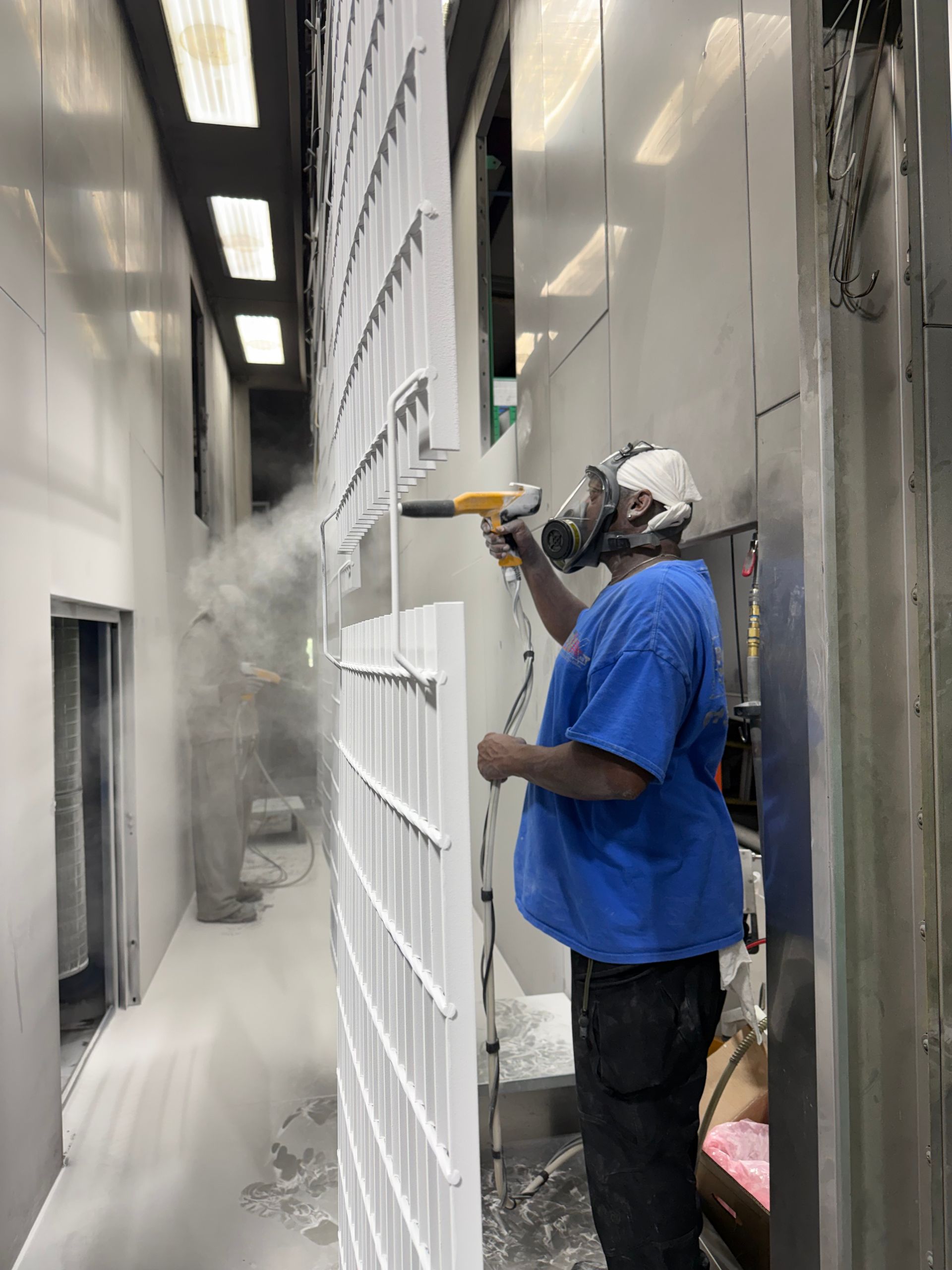
Application techniques greatly influence performance and quality. The use of appropriate electrostatic spray gun settings, distance, and angle leads to even coverage and thickness. Different setups, such as manual or automated systems, can affect consistency and efficiency. Operators need skill and experience to adjust equipment for optimal overlap and minimal defects, contributing to extended equipment life.
Apply to Automotive Components
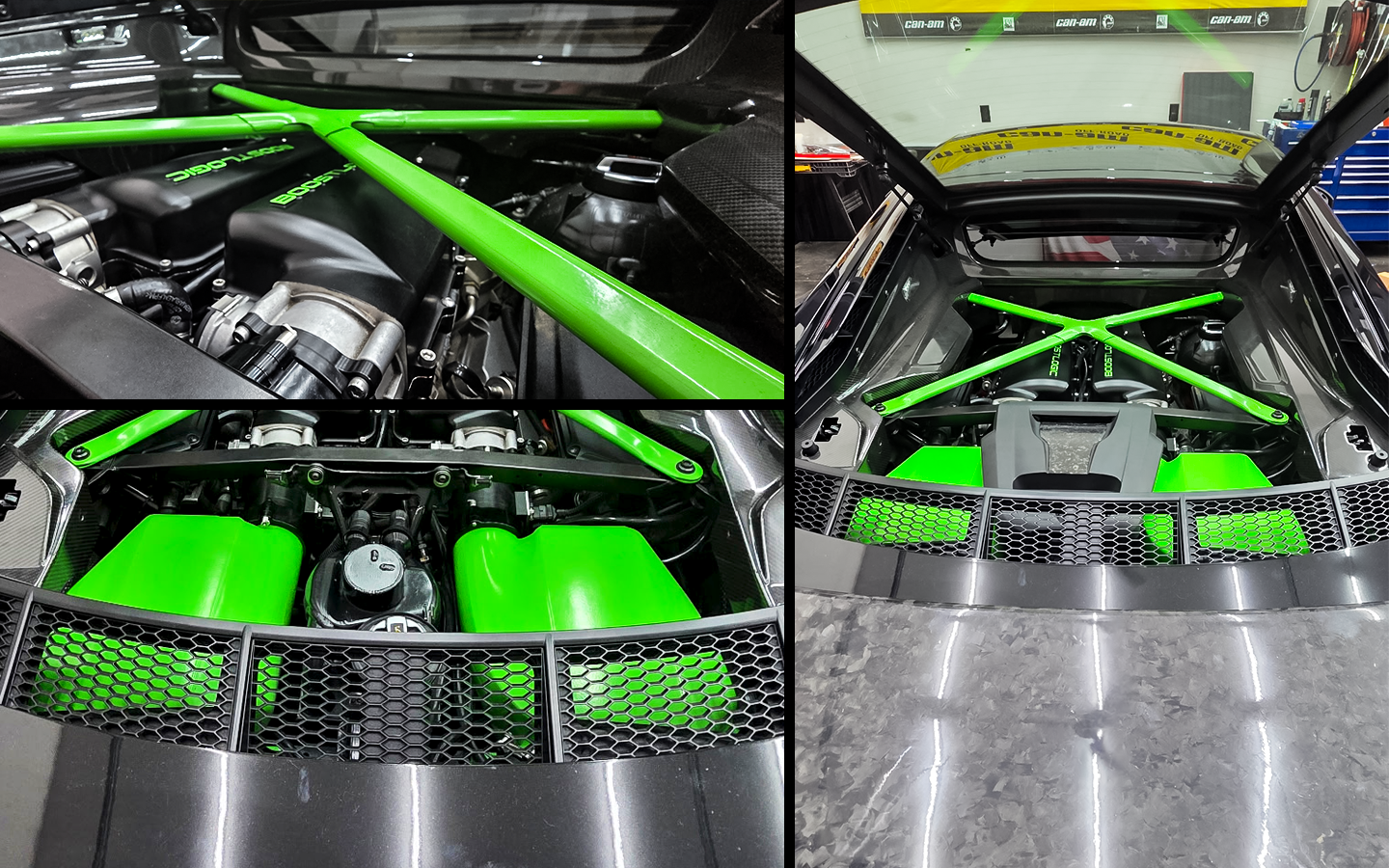
The automotive sector extensively uses these finishes for parts such as wheels, engine components, and bumpers. The robustness of these coatings ensures that automotive parts resist road wear, corrosion, and harsh weather conditions. They also offer a sleek finish that augments visual appeal. Advanced options with UV protection maintain color fidelity and gloss under sunlight, helping enhance product longevity. For specialized vehicle parts, utilizing autoline systems or specialized automotive powder coating services ensures precise finish quality.
Protect Construction Infrastructure
In the construction industry, components such as structural steel, metal beams, and fencing receive protective coatings to improve resistance to environmental elements. Construction involves significant exposure to moisture, ultraviolet light, and physical wear. A heavy-duty finish acts as a robust barrier, delaying rust and deterioration. Projects, from bridges to commercial buildings, benefit economically and structurally by adopting these protective measures.
Shield Manufacturing Equipment
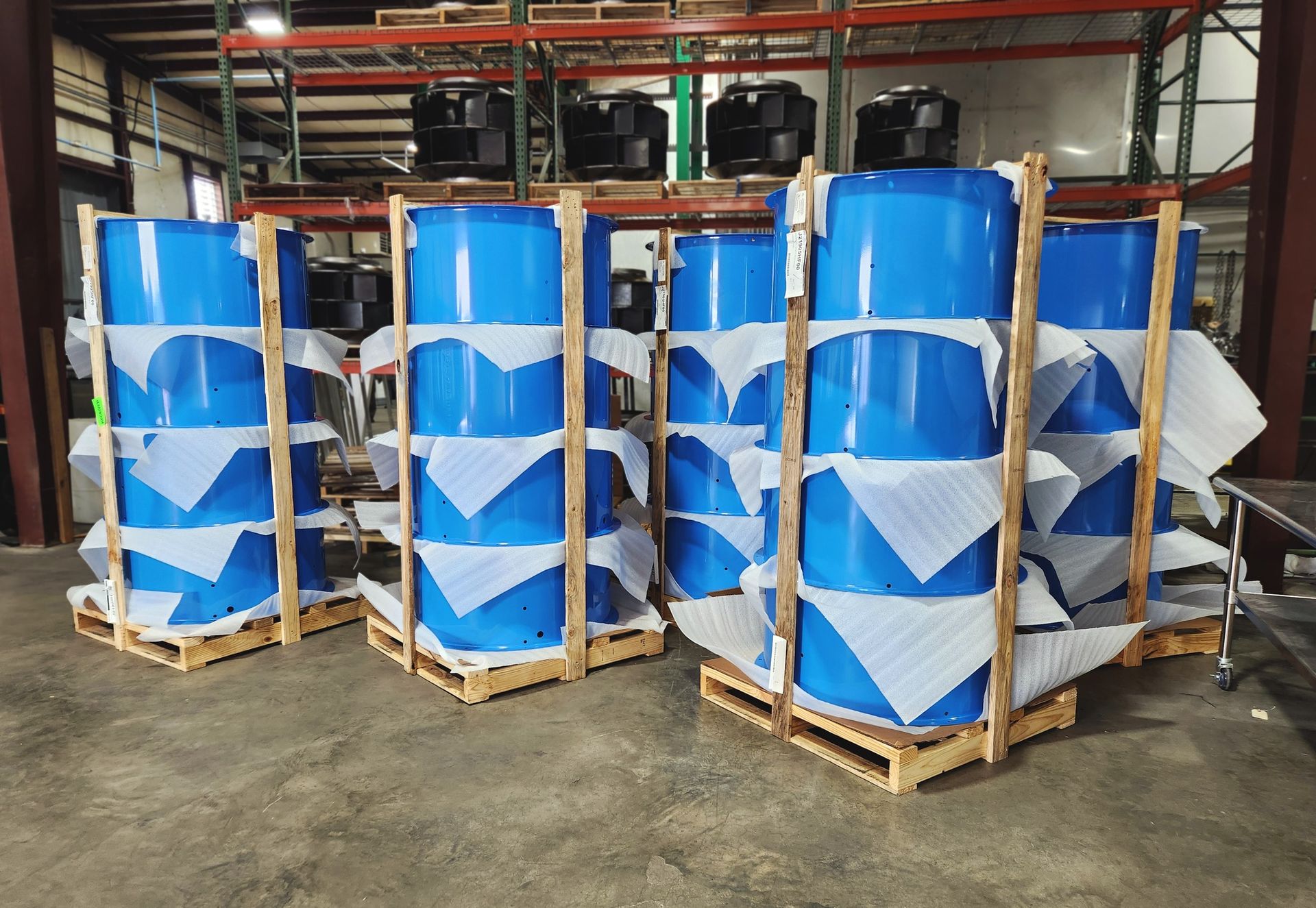
Manufacturers employ protective finishes to safeguard machinery and production equipment from degradation. The process improves the resistance of metal surfaces against wear and chemical exposure prevalent in industrial settings. Protected with durable finishes, machines operate efficiently and retain value over time. Utilizing batch powder coating services allows facilities to treat multiple parts simultaneously, lessening operational costs, decreasing downtime, and enhancing equipment longevity.
Identify Common Defect Issues
The finishing process, while advantageous, is not without challenges. Common issues include uneven application, orange peel texture, and pinholes, which can compromise finish quality. These problems often stem from improper equipment settings, poor surface preparation, or unsuitable environmental conditions. Recognizing the root cause of each issue is essential for taking corrective actions and maintaining quality control.
Address Surface Defects
To address defects on treated surfaces, thorough inspection protocols are crucial. Identifying issues early enables technicians to apply remedies or preventive measures. Techniques such as adjusting the electrostatic charge, modifying the curing process, and improving surface cleaning can be employed. Collaborating with skilled professionals and ensuring robust equipment maintenance further aids in minimizing defects.
Maintain Uniform Thickness
Uniform thickness is critical to achieving desired protective and aesthetic characteristics on finished items. Factors such as gun settings, spray distance, and environmental control require attention to maintain consistency. Using automated systems with precise control enhances thickness uniformity. In cases where manual spraying is used, operator training becomes essential for achieving optimal results.
Track Technology Advancements
The finishing industry is embracing new advancements to enhance product features and application methods. Innovations in material sciences pave the way for finishes with improved resistance to heat, chemicals, and weathering. Technological integrations, such as smart coatings with self-healing properties, promise to change the landscape of protective finishes, offering unparalleled protection to industrial equipment.
Adopt Sustainable Practices
As industries gravitate toward sustainability, finishing practices are adapting. Manufacturers develop eco-friendly options, reducing the environmental footprint of this finishing technique. Efforts to lower energy consumption in curing processes and enhance recyclability align with broader initiatives for greener operations. Non-toxic and water-based options exemplify the industry's commitment to environmental conservation alongside business growth.
Integrate Automation Systems
Automation plays a transformative role in the finishing industry, streamlining processes and enhancing precision. Automated systems enable consistent, high-quality results while reducing human error and labor costs. Robotics simplify application on complex geometries and operate safely in hazardous environments. Real-time monitoring and control optimize production efficiency, giving finishing facilities competitive advantages.
Summarizing the pivotal role of protective finishes, it is evident how integral this process is in safeguarding equipment across various industries. From enhancing durability and aesthetic appeal to ensuring environmental safety, local industrial powder coating offers multifaceted benefits that extend machinery lifespan. AAMA Certification ensures that these finishes meet rigorous industry standards for performance and weather resistance. At PowderWorx615, we provide complete automotive powder coating services, autoline operations, and batch powder coating services to protect your valuable assets. Contact PowderWorx615 today to learn how we can elevate the durability and appearance of your industrial equipment.