October 28, 2026 | Jason Makuch
October 28, 2026
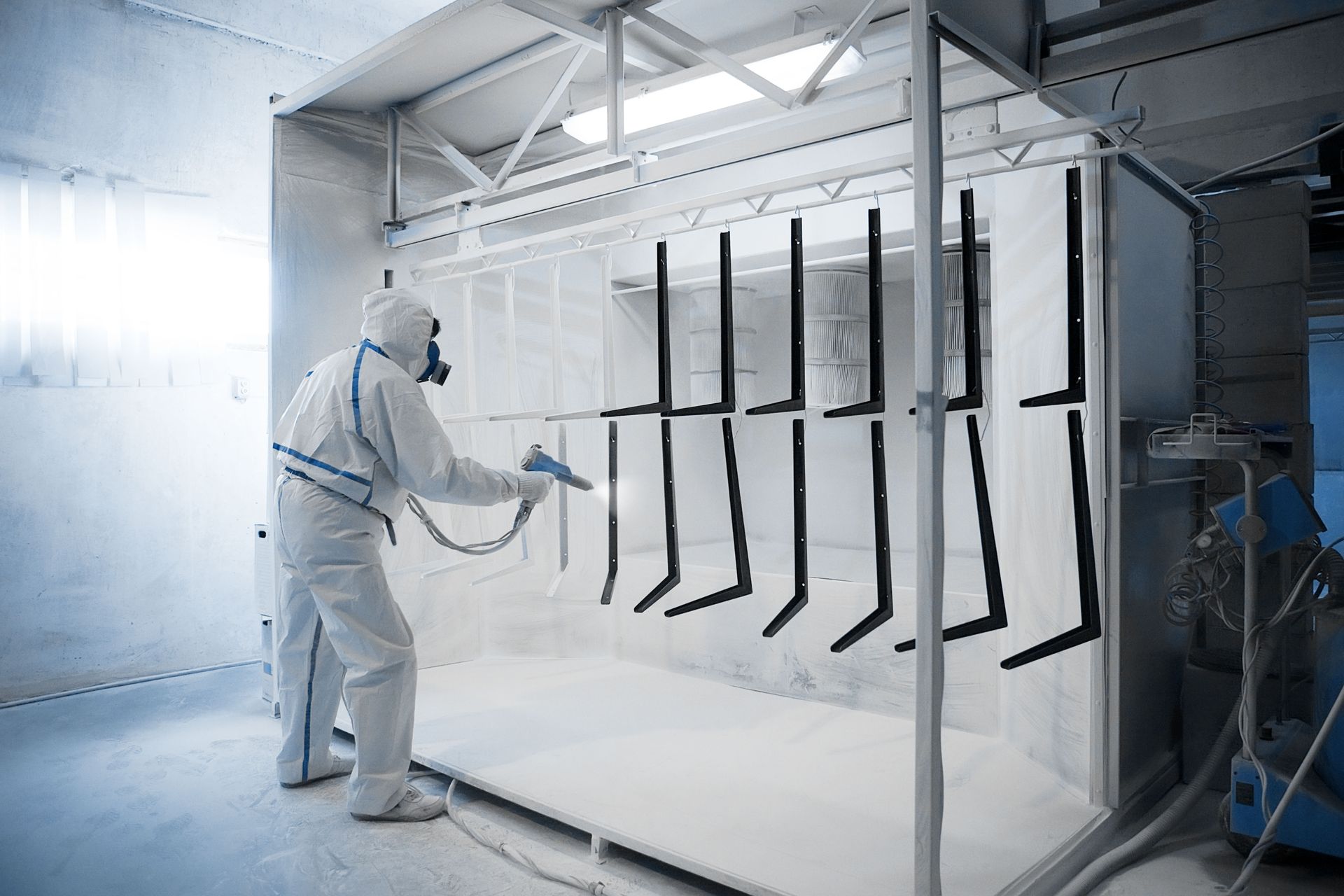
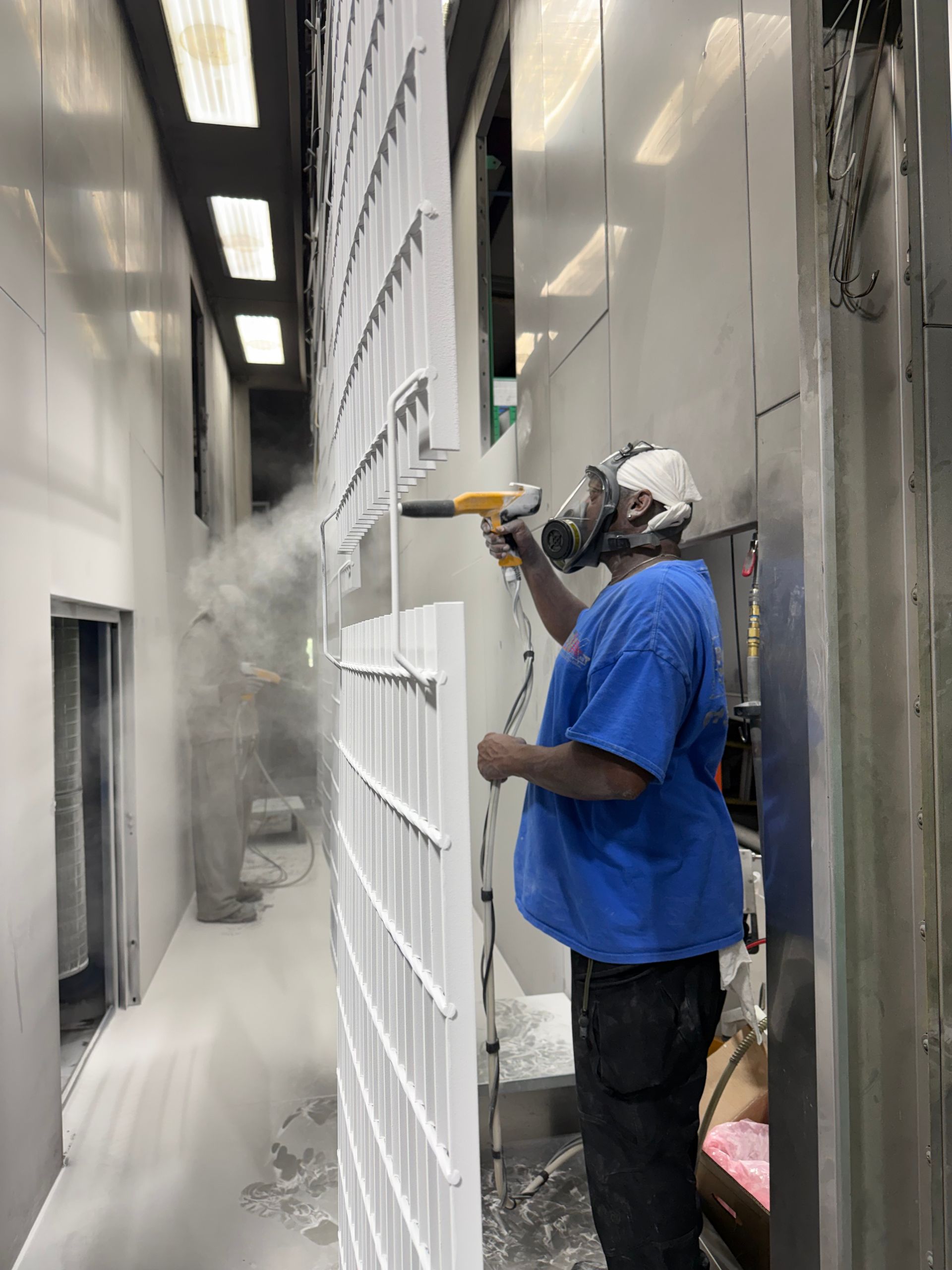
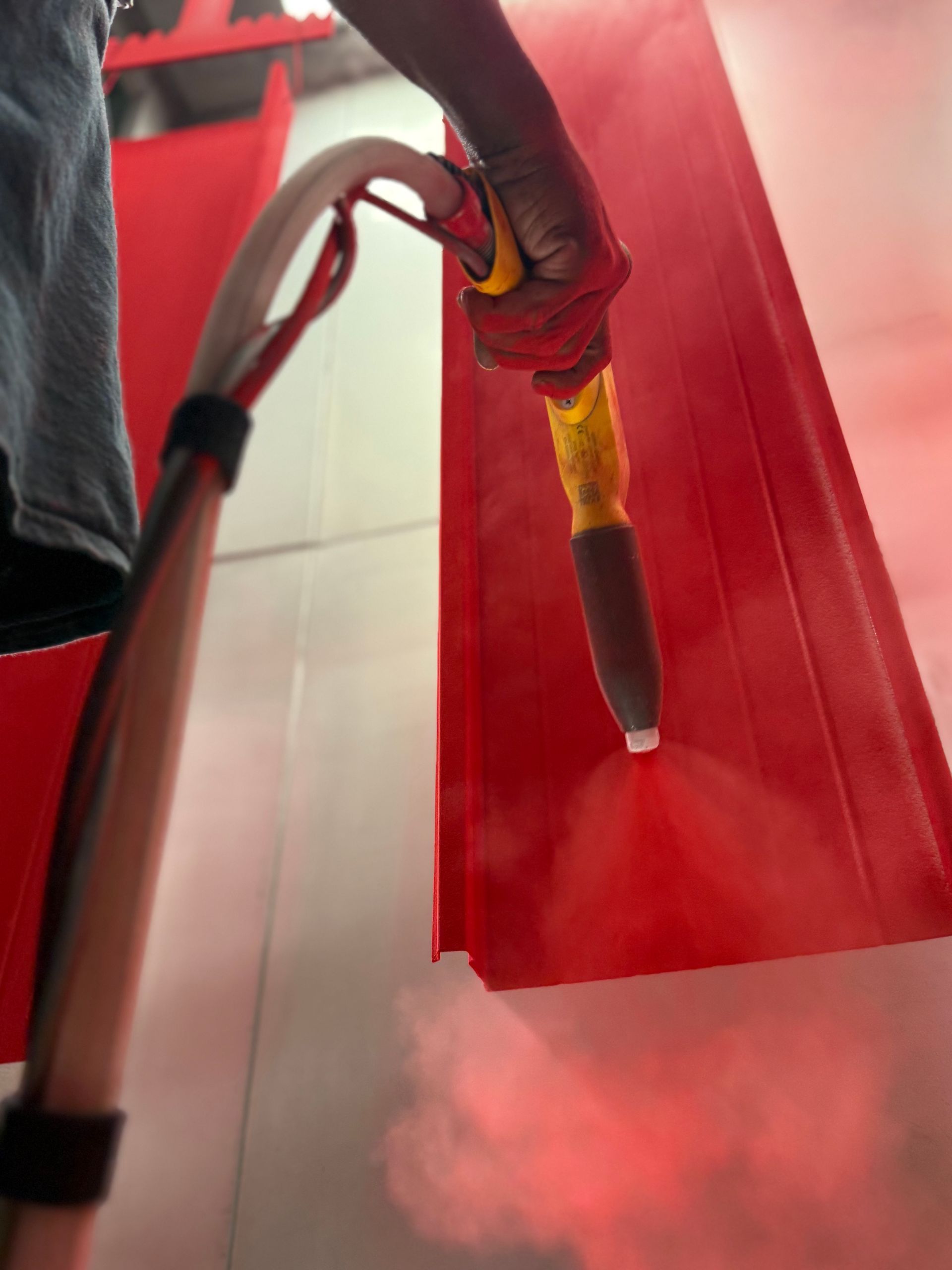
Manufacturing operations face immense pressure to optimize production cycles and cut unneeded expenses. Sourcing materials and finishing services from distant suppliers adds days to project timelines and inflates budgets. Companies overlook the geographic location of finishing partners when planning supply chain strategies. Working with nearby vendors provides a tangible competitive edge for fabrication facilities and metal producers alike. Utilizing local industrial powder coatings addresses logistical hurdles that slow down production rates.
The finishing stage remains a critical phase in manufacturing metal components, requiring durability and aesthetic appeal. Sending parts across long distances for this final step introduces variables that managers cannot control. Weather delays, route changes, and fuel surcharges eat into profit margins and push back final delivery dates. Keeping the finishing process within the immediate region gives operations stability. The decision brings profound benefits to bottom-line performance and overall production flow.
Minimizing Project Downtime
Time remains an unyielding constraint in modern manufacturing environments. Sourcing local industrial powder coatings eliminates the vast majority of transit delays associated with remote vendors. Trucks travel shorter routes, bypassing major cross-country traffic bottlenecks. Parts leave the fabrication floor and arrive at the finishing facility the same morning. This proximity keeps the assembly line moving without stagnant periods waiting for component returns.
The speed of the finishing process itself plays a major role in turnaround times. According to MachineMfg, the powder coating curing process typically takes 10 to 20 minutes, depending on the part size and powder type. This rapid curing means parts finish baking and cool down within a short window. Facilities pack and ship the completed components back to the manufacturer without delay.
Shorter transit durations mean managers schedule production phases with tighter tolerances. Operations do not need to build massive buffer periods into delivery estimates to accommodate cross-country shipping uncertainties. The supply chain becomes lean and predictable. Foremen plan assembly schedules knowing the exact arrival moment of coated parts. Such precision minimizes idle labor and keeps warehouse staging areas clear of backlog.
Rush orders benefit from regional finishing capabilities. When a client demands an expedited turnaround, distant suppliers offer no viable solutions. Regional facilities accommodate urgent requests by utilizing straightforward point-to-point delivery methods. Managers send a dedicated truck to drop off raw metal and pick up finished items within the same shift. This agility wins contracts and secures future business opportunities.
Decreasing Transportation Costs
Fuel expenses represent a massive variable in modern manufacturing budgets. Shipping heavy metal parts requires significant diesel consumption and incurs hefty freight charges. Long-distance carriers mandate premium rates for heavy, bulky freight crossing state lines. Keeping the finishing stage regional slashes these freight bills. Fleet vehicles make short trips, consuming a small portion of the fuel required for interstate transport.
Choosing local industrial powder coatings allows companies to leverage internal fleet vehicles for transportation needs. Instead of hiring external logistics firms, manufacturers use existing flatbeds and box trucks to move inventory. Internal drivers handle the route, eliminating outside markups and brokerage fees. This internal control over logistics transforms a major expense category into a manageable, fixed overhead cost.
Packaging requirements scale down when transit distances shrink. Cross-country shipping dictates extreme packaging measures to protect delicate finishes from days of vibration and handling. Workers build custom crates, apply excessive foam padding, and strap items onto reinforced pallets. Short trips demand less intense packaging solutions. Reusable padded racks and simple dividers provide adequate protection for brief highway journeys.
The reduction in packaging materials yields secondary financial benefits. Operations purchase less lumber, foam, and shrink wrap. Dumpster fees drop because receiving departments process less disposable packing material upon the return of finished goods. Workers spend less labor unpacking and breaking down crates. These incremental savings accumulate into substantial budget improvements over the course of a production cycle.
Enhancing Quality Control
Distance creates a barrier to effective oversight and quality assurance. When parts travel long distances to a finishing shop, managers cannot inspect the facility or review the methodology in person. Geographic proximity changes this dynamic. Quality control supervisors conduct spontaneous site visits to regional partners. Such visits ensure the facility maintains high standards for substrate preparation and application technique.
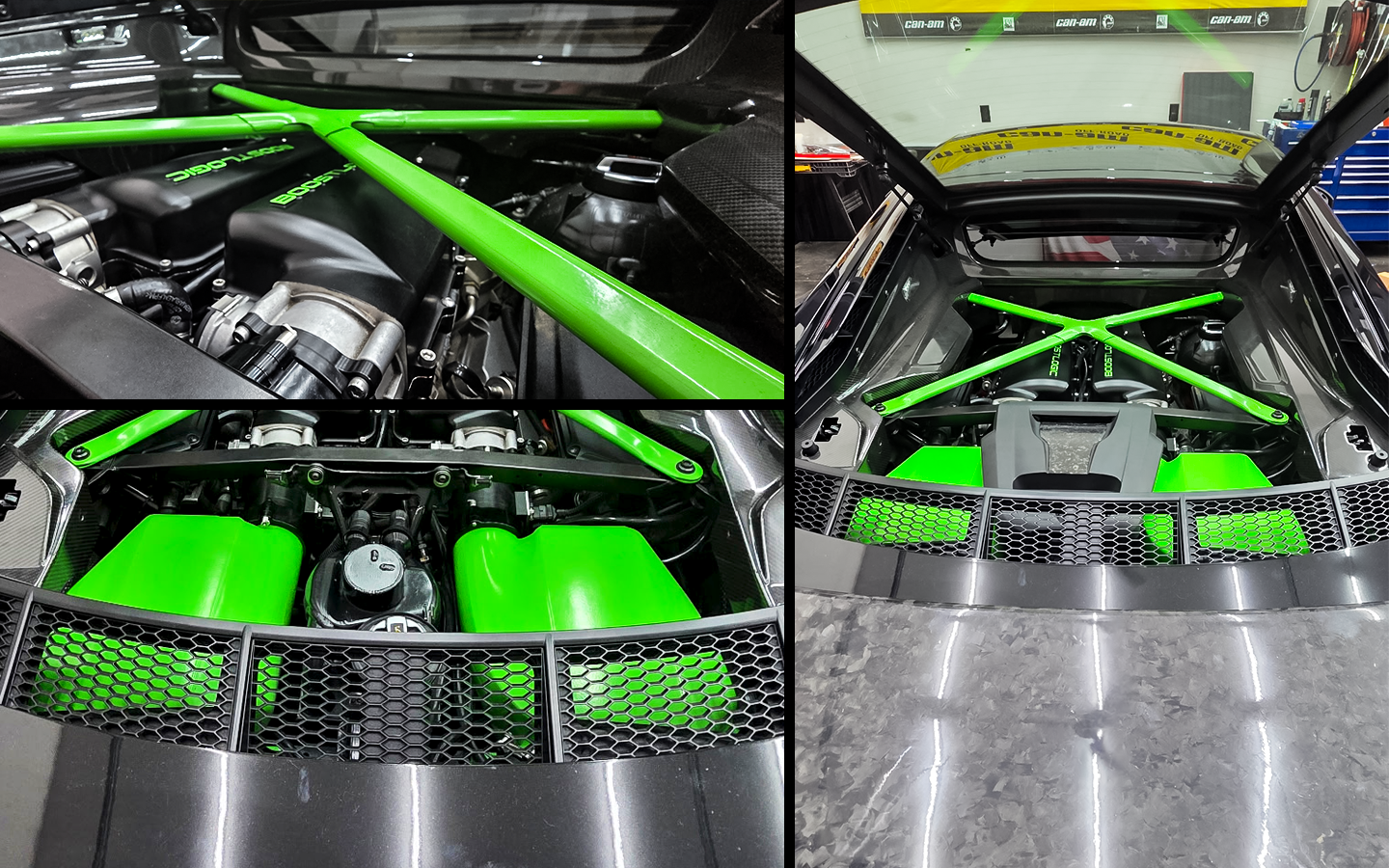
Visual inspection remains paramount for aesthetic finishes. Even with local industrial powder coatings, occasional defects occur due to metal off-gassing or surface contaminants. When these minor issues arise nearby, the solution proves simple and inexpensive. The finishing facility strips the defective part and recoats it the same afternoon. Long-distance rework requires complex return shipping authorizations and weeks of delay.
Collaboration between the fabrication shop and the finishing plant prevents systemic errors. Engineers drive across town to discuss complex masking requirements or specialized hanging techniques for awkward parts. They test prototype runs together, adjusting the rack design to optimize drainage and coverage. This hands-on collaboration ensures the final production run meets all dimensional tolerances and visual specifications.
Damage during transit presents another severe quality risk for finished components. Vibrations, shifting loads, and forklift mishaps degrade pristine surfaces during long-haul transport. Minimizing the miles traveled reduces the probability of transit damage. Parts spend less time rattling in trailers and more time safe in the assembly area. The final product reaches the end consumer maintaining a flawless, factory-fresh appearance.
Streamlining Vendor Communication
Effective supply chain management relies on clear, unhindered communication channels. Geographic distance introduces time zone differences and creates disconnected operational hours. Foremen leave voicemails and wait for email replies while production stalls. Regional partnerships eliminate time zone barriers. Managers operate on the same schedule, allowing for real-time problem resolution and prompt updates regarding batch progress and completion status.
Face-to-face interactions build strong vendor relationships. Procurement officers sit down with finishing facility owners to negotiate bulk rates or secure dedicated line time for upcoming large-scale projects. These in-person meetings foster mutual understanding and align business goals. The relationship transitions from a transactional vendor dynamic into a cohesive manufacturing partnership focused on shared success and sustained growth.
Communication barriers break down further when local industrial powder coatings become the standard protocol. Drivers exchange paperwork face-to-face with receiving clerks, passing along verbal notes about specific handling instructions. If a paperwork discrepancy occurs, accounting departments resolve the issue over a phone call without navigating complex corporate phone trees. Administrative friction disappears, leaving a smooth operational flow.
Design changes mid-production require extreme agility from all supply chain members. When an engineer alters a blueprint, the finishing facility must adapt masking guides and thickness specifications. Regional proximity allows a courier to deliver updated physical drawings or revised prototype parts within the hour. The finishing team implements the new directives before processing the next batch of raw materials.
Modern manufacturing demands efficiency, resilience, and tight cost control. Relying on distant finishing facilities exposes operations to unnecessary risks, exorbitant shipping fees, and extended lead times. Shifting the supply chain focus to regional partners mitigates these vulnerabilities. Facilities regain control over schedules and budgets by shortening the physical distance parts must travel. The advantages compound over time, leading to healthier profit margins and stronger market competitiveness.
A lean supply chain provides the foundation for sustainable manufacturing success. Integrating local industrial powder coatings into standard operational procedures removes the friction associated with long-haul logistics. Managers eliminate waste in the form of idle time, excess packaging, and transportation fuel. Companies that embrace regional finishing partnerships position themselves to deliver superior products on time and within budget, securing their place as industry leaders. When you are ready to optimize your supply chain and cut transit costs, we at PowderWorx615 are here to deliver the high-quality local industrial powder coatings your projects require. Contact us today to discuss how we can streamline your next manufacturing run.