In manufacturing and fabrication environments, finishing isn’t just about appearance. It’s about protection, performance, and how well a product holds up once it leaves the shop floor. That’s where powder coating has carved out a strong role across multiple industries. Instead of relying on traditional liquid paint systems, many manufacturers now turn to a dry finishing process that offers a different level of durability and consistency.
The growing interest in industrial powder coatings reflects a shift in how companies think about longevity and surface protection. Whether it’s metal furniture, automotive parts, machinery, or structural components, the goal is the same: create a finish that stands up to wear, weather, and time without constant maintenance or early failure.
Basics of Powder Coating
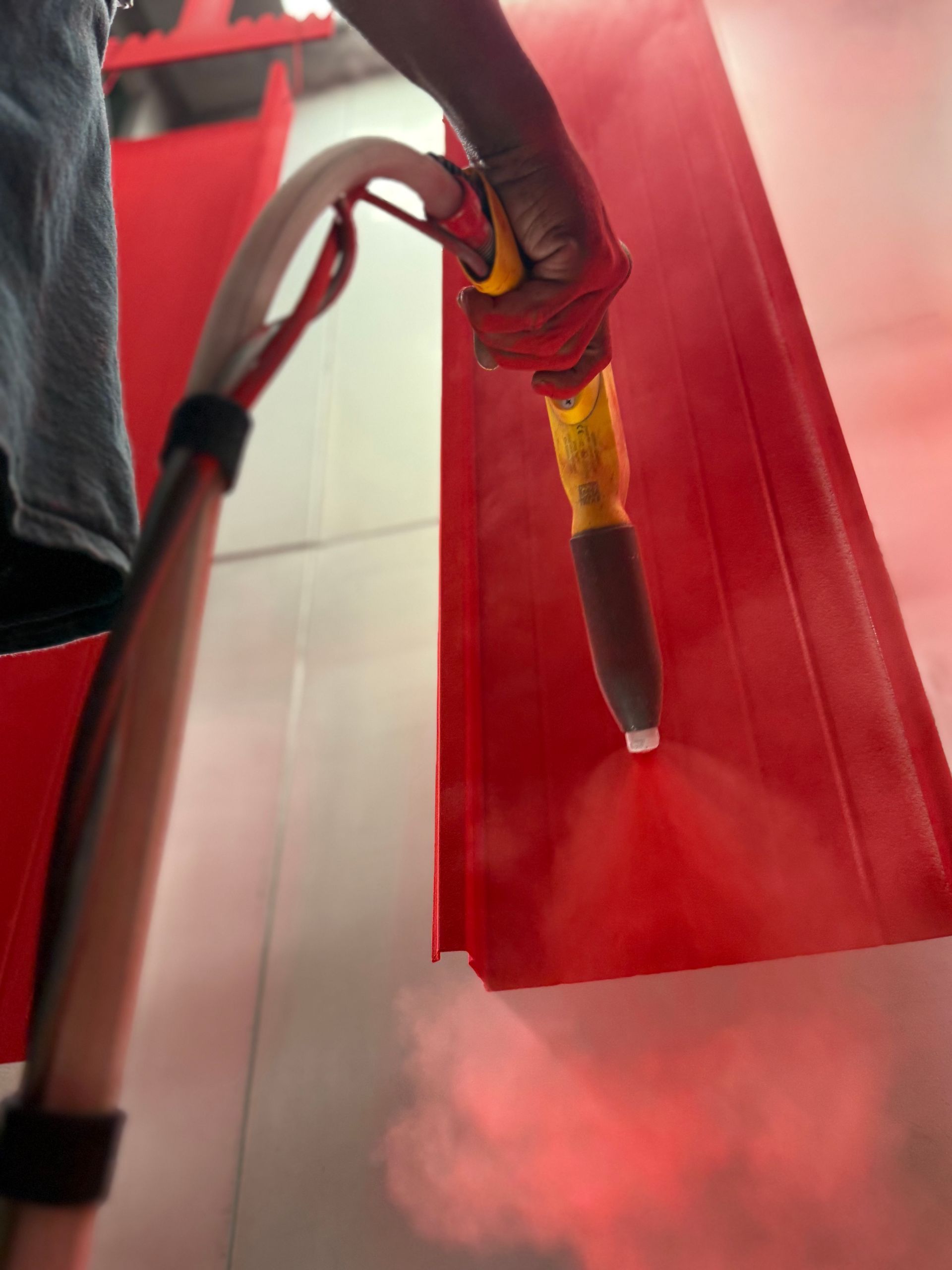
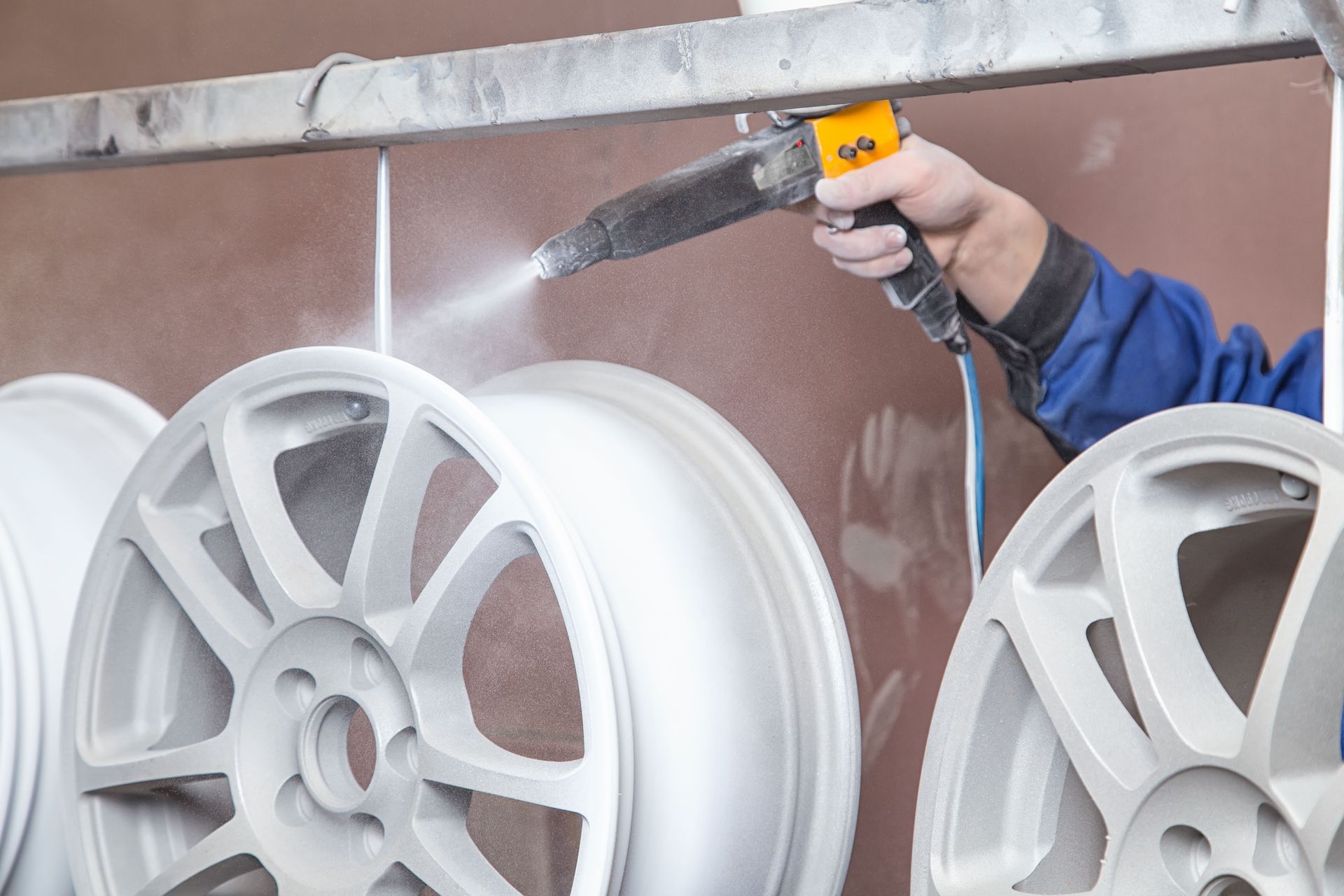
At its core, powder coating is a finishing process that applies a dry powder to a surface and then cures it under heat. Unlike liquid paint, there are no solvents involved. The coating is electrostatically charged, so it adheres evenly to metal surfaces before being baked into a durable layer.
Industrial powder coatings are widely used because they create a consistent, uniform finish that bonds tightly to the substrate. This bonding process helps reduce issues like chipping, peeling, or cracking over time. Many manufacturers rely on industrial powder coatings when performance and durability matter as much as appearance.
Industries Rely on Powder-Based Finishes
One of the main reasons industrial powder coatings have become so widely adopted is their ability to withstand demanding environments. Products used outdoors or in high-traffic settings are constantly exposed to moisture, UV rays, and physical impact.
Industrial powder coatings offer a level of resistance that helps extend product life. This is especially important in industries where replacement or repair costs can quickly add up. The durability of industrial powder coatings makes them a practical choice for long-term performance rather than short-term appearance alone. That added protection also helps reduce downtime caused by premature wear or surface failure. In many cases, it allows equipment and components to stay in service longer without requiring frequent refinishing.
Application Process in Manufacturing Settings
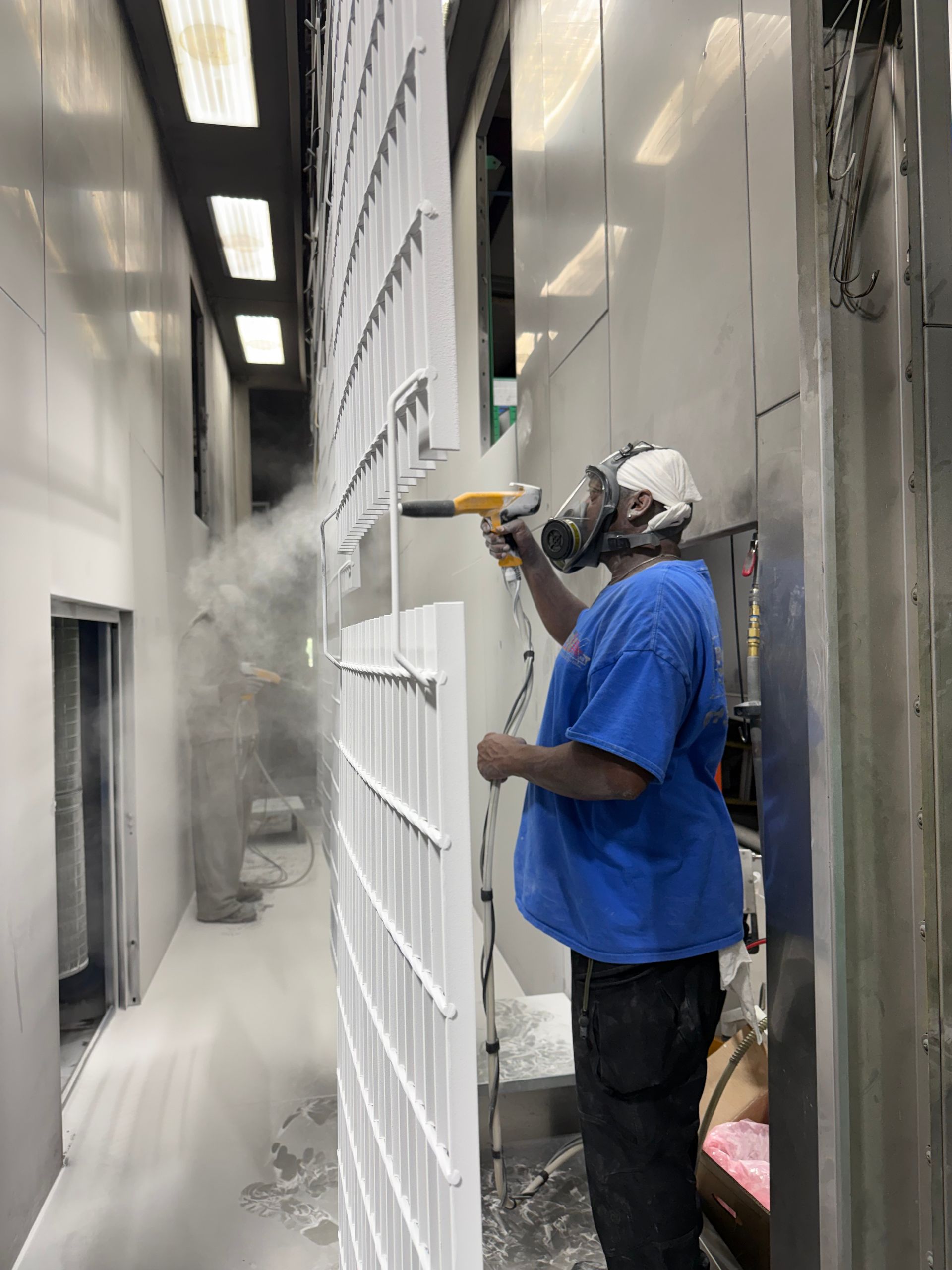
The application of powder coating is a controlled process that requires professional equipment. Surfaces must be cleaned and prepared before the powder is applied electrostatically. Once coated, the part is placed in a curing oven where the powder melts and forms a continuous film.
Industrial powder coatings depend heavily on precision during this stage. Temperature, timing, and surface preparation all influence the final result. When applied correctly, industrial powder coatings create a smooth, even finish that adheres firmly to the material beneath it.
Durability in Harsh Conditions
Products exposed to extreme weather or heavy use need finishes that can keep up. Traditional paint systems often degrade more quickly under these conditions, especially when exposed to moisture or temperature fluctuations. This can lead to surface breakdown that gradually affects both appearance and protective performance. Over time, that wear can shorten the usable lifespan of the coated product.
Industrial powder coatings are designed to resist many of these challenges. Their hardened surface helps protect against corrosion, fading, and abrasion. In many applications, industrial powder coatings are selected specifically because they maintain their integrity under stress.
Consistency Across Large Production Runs
Manufacturers often work with high volumes, which means consistency is critical. Every part that leaves the facility needs to meet the same visual and functional standards.
Industrial powder coatings provide a level of repeatability that helps achieve this goal. Because the process is controlled and automated in many cases, each coated part receives an even application. Industrial powder coatings help reduce variation between batches, which is essential for industries that rely on uniform results.
Environmental Considerations in Finishing Processes
Finishing systems have evolved over time to address environmental concerns, particularly around emissions and waste. Traditional coatings often involve solvents that release volatile organic compounds into the air.
Industrial powder coatings reduce many of these concerns because they do not rely on solvents. Overspray can often be collected and reused, minimizing material waste. This makes industrial powder coatings an appealing option for manufacturers looking to align with more efficient production practices. It also helps facilities maintain more consistent output without the fluctuations often seen in liquid coating systems.
Common Applications Across Industries
Many sectors rely on durable finishes to protect their products. From construction equipment to consumer goods, the need for long-lasting coatings spans a wide range of applications.
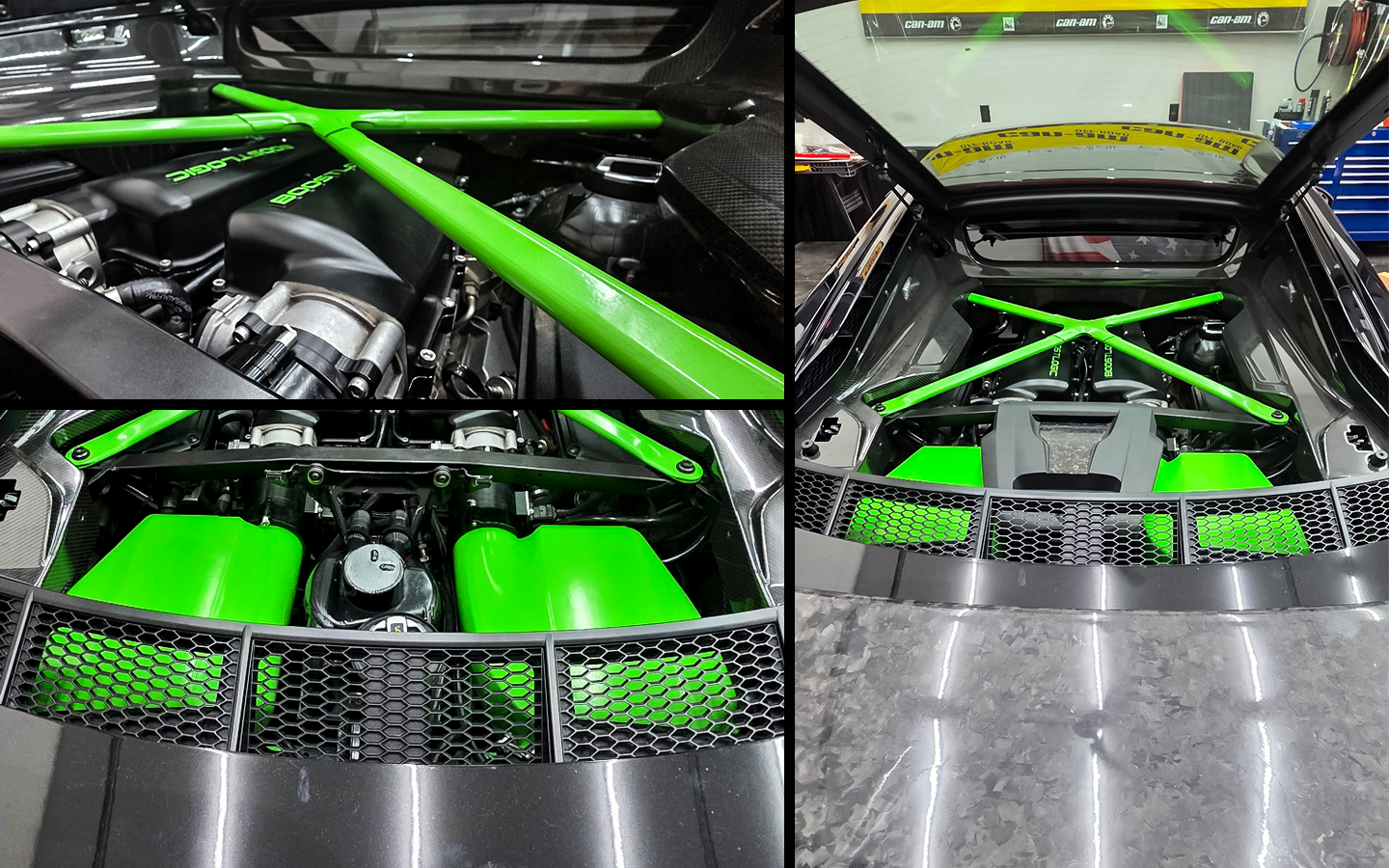
Industrial powder coatings are frequently used in automotive components, outdoor fixtures, appliances, and heavy machinery. According to Paint & Coatings Industry Magazine, powder coatings are used in four broad end markets, including architectural coatings, functional coatings, general industry, and the automotive and transportation sector. This broad usage highlights how industrial powder coatings have become a standard solution across multiple fields.
Cost Efficiency Over Time
While initial setup and application systems may require investment, powder coating often proves cost-effective over the long term. Reduced rework, lower material waste, and fewer maintenance requirements contribute to overall savings. These efficiencies tend to become more noticeable as production volume increases and processes are optimized over time.
Industrial powder coatings help extend the lifespan of coated products, which reduces the need for frequent replacements or repairs. Over time, industrial powder coatings can contribute to more predictable maintenance planning and lower lifecycle costs for manufacturers and end users.
Surface Protection Beyond Appearance
While color and finish are important, powder coating serves a much deeper function. It acts as a protective barrier between the material and the environment.
Industrial powder coatings help prevent oxidation, corrosion, and surface damage that can compromise structural integrity. This protective layer is especially valuable for metal components that are exposed to outdoor or industrial conditions. Industrial powder coatings play a key role in preserving both function and appearance over time.
Quality Control and Performance Standards
Ensuring consistent quality is a major part of any finishing operation. Manufacturers often implement strict testing procedures to evaluate adhesion, thickness, and durability.
Industrial powder coatings must meet performance standards that align with industry expectations. This includes resistance testing and visual inspection to ensure each part performs as intended. Industrial powder coatings that pass these standards contribute to more reliable products in the field. These evaluations also help identify inconsistencies early in the process before products are shipped. Over time, this level of quality control supports stronger overall performance across production batches.
For companies looking to improve finishing performance and product longevity, PowderWorx615 offers professional powder coating services tailored to industrial needs. Contact PowderWorx615 to learn more about coating solutions designed for durability and consistency.
As manufacturing continues to evolve, finishing processes remain a critical part of product development. Powder coating has grown into a widely accepted method because it balances durability, efficiency, and environmental considerations.
Industrial powder coatings are now a standard choice for many manufacturers seeking reliable surface protection. Their ability to perform under demanding conditions makes them a practical solution across industries that depend on long-lasting finishes.
From small components to large structural parts, industrial powder coatings continue to play an important role in how products are built, protected, and delivered. As demand for durable and efficient finishing systems grows, powder coating remains a key part of modern production strategies designed to maximize efficiency and cut overall costs.